

Certified Mold Specialists
Mold Remediation
Safe. Complete. Guaranteed.
Mold threatens your health and property. Our certified remediation team safely contains, removes, and prevents mold using EPA-registered antimicrobial treatments and advanced air filtration. Breathe easy again.
Mold threatens your health and property. Our certified remediation team safely contains, removes, and prevents mold using EPA-registered antimicrobial treatments and advanced air filtration. Breathe easy again.
Mold Exposure Can Cause Serious Health Issues
Respiratory problems, allergic reactions, asthma attacks, and immune system suppression
Comprehensive Mold Solutions
From Detection to Prevention — Complete Mold Care
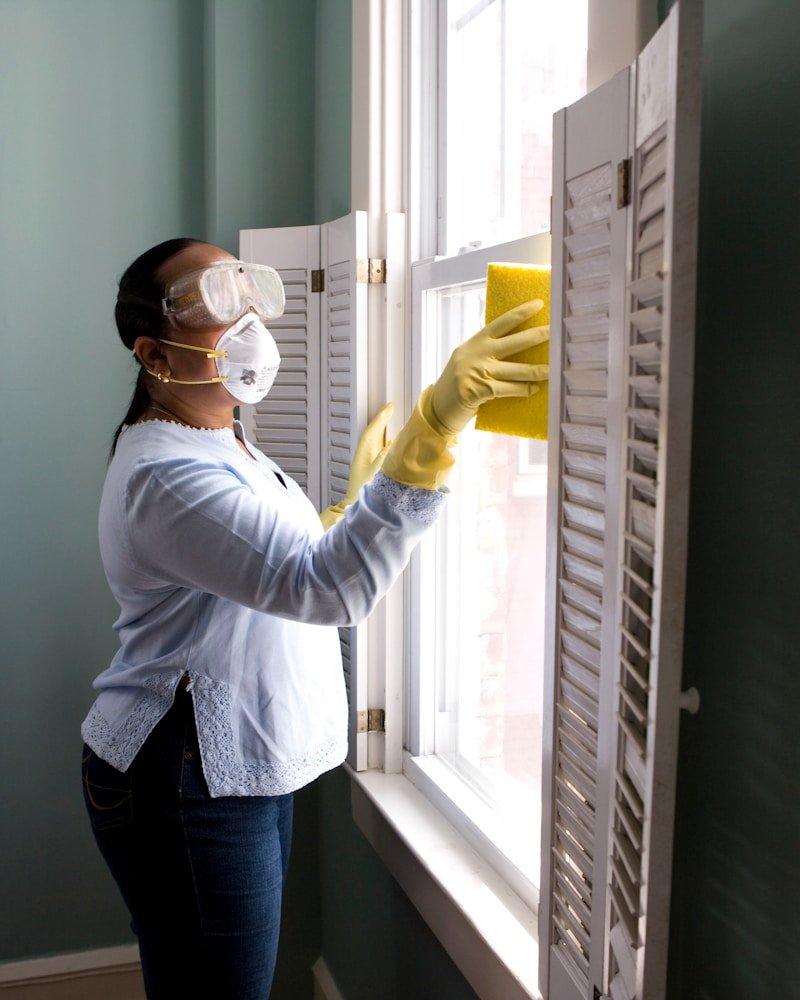
Mold is more than an eyesore—it's a health hazard. Ken Aycox and his -certified team follow strict protocols to safely eliminate mold contamination while protecting your family, employees, and property.
We don't just remove visible mold. Our thorough approach identifies moisture sources, tests air quality, contains affected areas with negative air pressure systems, and applies preventive treatments to stop mold from returning.
Air Quality Testing
HEPA Filtration
EPA Antimicrobials
Containment Barriers
Lab Analysis
Stachybotrys Detected
Immediate Action Required
Professional remediation recommended
Proven Protocol
Our 7-Step Mold Remediation Process
Following IICRC S520 standards, we ensure safe, complete mold elimination with documented results.
Assessment & Testing
Visual inspection, moisture mapping, and air sampling to identify mold species and contamination extent.
Remediation Plan
Detailed protocol outlining containment strategy, removal methods, and post-remediation verification.
Containment Setup
Physical barriers and negative air pressure systems prevent mold spores from spreading during removal.
Air Filtration
Industrial HEPA air scrubbers capture airborne spores, improving air quality throughout the process.
Mold Removal
Physical removal of contaminated materials and HEPA vacuuming of all surfaces within containment.
Cleaning & Treatment
EPA-registered antimicrobial agents eliminate remaining spores and prevent future growth.
Clearance Testing
Post-remediation air and surface sampling confirms successful remediation. Documentation provided.
Common Contaminants
Mold Species We Remediate
Different molds require different approaches. We identify and safely eliminate all common household and commercial mold species.
Stachybotrys
"Black Mold" — Highly Toxic
Produces mycotoxins linked to severe respiratory issues, neurological symptoms, and immune suppression. Requires professional remediation.
Aspergillus
Common — Allergenic
Most common indoor mold. Causes allergic reactions, asthma attacks, and opportunistic infections in immunocompromised individuals.
Penicillium
Rapid Spreader — Allergenic
Spreads quickly through airborne spores. Causes allergic reactions and can produce mycotoxins. Often found after water damage.
Cladosporium
Ubiquitous — Allergenic
Grows on both porous and non-porous surfaces. Causes respiratory issues, skin rashes, and sinus infections. Thrives in cool areas.
Know the Signs
Warning Signs You Have a Mold Problem
Mold often grows hidden from view. Knowing these warning signs can help you catch contamination early—before it becomes a major health and structural issue.
Visible Growth
Black, green, white, or orange spots on walls, ceilings, or surfaces. Often appears fuzzy or slimy.
Musty Odors
Persistent earthy, damp smell—especially in basements, bathrooms, or after rain.
Health Symptoms
Unexplained allergies, coughing, sneezing, headaches, or fatigue that improve when you leave the building.
Water Damage History
Previous leaks, flooding, or high humidity create ideal conditions for hidden mold growth.
Long-Term Protection
Mold Prevention Services
After remediation, we help ensure mold doesn't return with moisture control and preventive treatments.
Moisture Control
Identify and eliminate water sources. We repair leaks, improve drainage, and recommend dehumidification systems.
Ventilation Improvement
Proper airflow prevents condensation and humidity buildup. We assess and recommend ventilation upgrades.
Preventive Treatments
EPA-registered antimicrobial coatings on vulnerable surfaces provide lasting protection against mold regrowth.
Common Questions
Mold Remediation FAQs
Is water damage covered by standard home insurance?
Sudden leaks are usually covered, but gradual damage or outdoor flooding requires separate policies.
Can I dry out the water damage myself with household fans?
No, household fans only dry surfaces and trap deep moisture that rots structural wood.
What is the difference between clean, gray, and black water?
Clean water comes from pipes, gray water contains chemicals, and black water holds toxic sewage.
How long does the Mold Remediation process typically take?
Most Mold Remediation jobs take 3 to 5 days, while rebuilding can add a few extra days.
Do you work directly with my insurance company?
Yes, we document the damage and submit files directly to your insurance adjuster.
Is it safe to stay in my house during mold remediation?
Large projects require containment zones, making it safer for you to stay elsewhere during treatment.
How do I know if I have a hidden mold problem?
Musty odors, unexplained allergy symptoms, and peeling wallpaper usually indicate hidden mold growth.
Why shouldn't I just use bleach to kill the mold?
Bleach only kills surface mold on non-porous materials and leaves deep roots alive inside drywall.
How do you prevent mold from returning after cleanup?
We fix the moisture source, dry the area completely, and apply antimicrobial sealants.
How do I know if the mold in my home is “toxic”?
While the term “toxic mold” is common, many types of mold can cause health issues or allergic reactions. We recommend a professional inspection and air quality testing to identify the specific strains present and determine the level of risk.
Will my homeowners insurance cover mold removal?
Coverage varies by policy. Typically, insurance covers mold if it resulted from a “sudden and accidental” event, like a pipe bursting. It often does not cover mold caused by long-term neglect or high humidity. We can help provide the documentation your adjuster needs.
What is the difference between mold “removal” and mold “remediation”?
“Removal” is a bit of a misnomer because mold spores exist naturally everywhere. “Remediation” is the professional process of bringing mold levels back to a natural, safe, and healthy baseline while addressing the moisture source that caused the growth.
How fast should Mold Remediation cleanup begin?
Cleanup should start within 24 to 72 hours to prevent severe mold growth.
Are the chemicals you use safe for my pets and children?
We prioritize the use of EPA-registered, eco-friendly antimicrobial treatments that are safe for use in residential environments. We will can provide safety data sheets and instructions on when it is safe to re-enter the treated area.

Don't Let Mold Compromise Your Health
Every day you wait, mold spreads and releases more spores. Our certified technicians are ready to assess your situation and begin safe, thorough remediation.
Related Services
Complete property care from one trusted partner
Water Damage Restoration
Fast water extraction and drying to prevent mold growth before it starts.
Commercial Cleaning
Deep sanitization and air quality improvement for commercial properties.
Janitorial Services
Regular maintenance programs to maintain healthy indoor environments.
Aycox Restoration
& Cleaning
Professional restoration and cleaning services you can trust. Available 24/7 for emergencies across Central Missouri.
Quick Links
Contact Us
- Edwards, MO 65326
- (660) 900-3093
- Send Us a Message
- Mon-Fri: 8AM-6PM